
Effective Dog Training Services for Every Breed
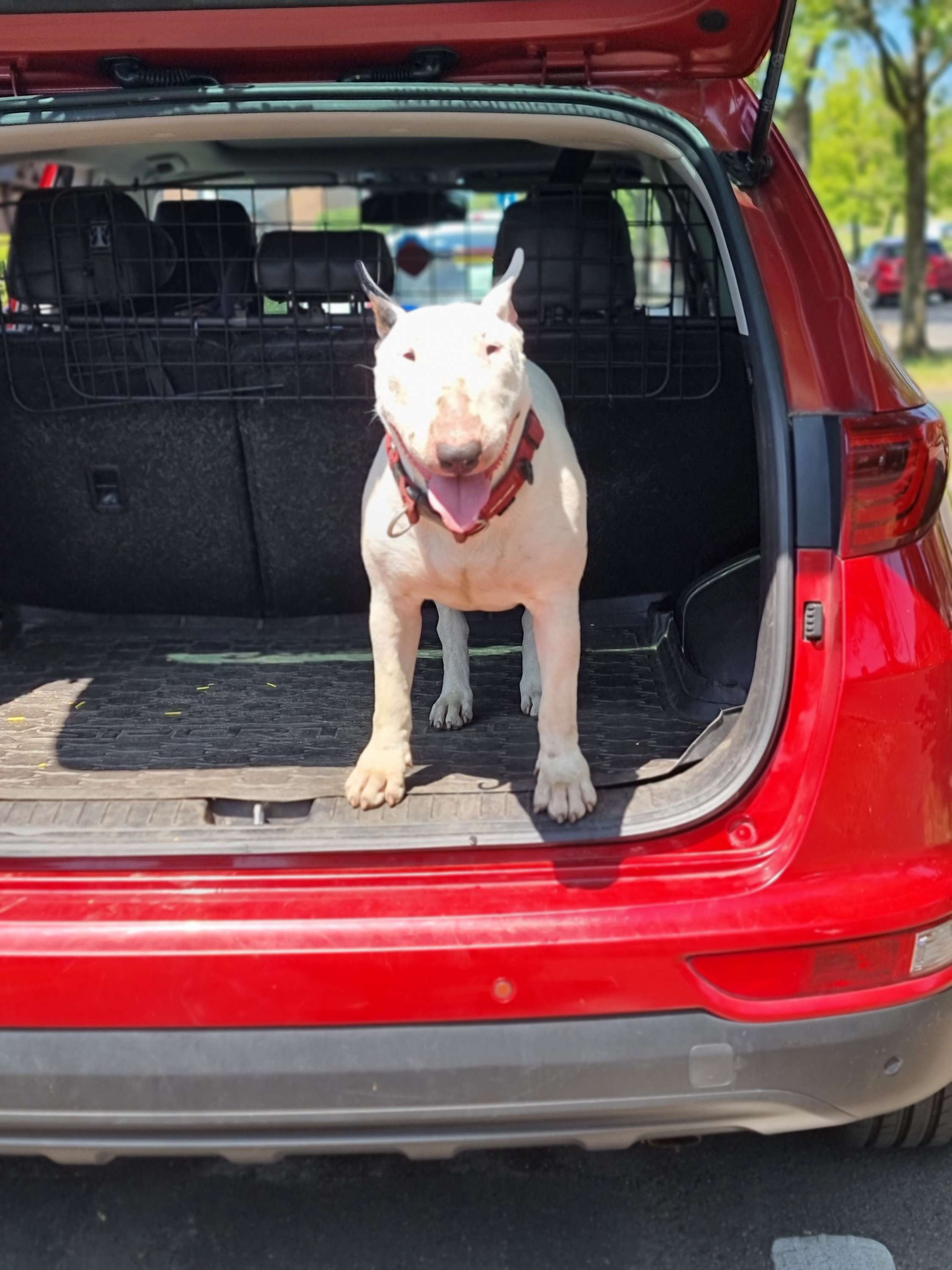
Training a dog is one of the most rewarding experiences you can share with your furry friend. Whether you have a lively puppy, a strong bull breed, or a reactive dog, the right approach can make all the difference. I’ve seen firsthand how professional dog training transforms not only the dog’s behaviour but also the bond between owner and pet. It’s about patience, understanding, and using positive methods that respect your dog’s unique personality.
Why Choose Professional Dog Training?
Professional dog training offers more than just teaching basic commands. It’s about creating a foundation of trust and communication. When you work with a skilled trainer, you gain insights into your dog’s behaviour and learn how to guide them gently but effectively.
For example, bull breeds often have a lot of strength and energy. Without proper guidance, this can lead to frustration for both dog and owner. A professional trainer knows how to channel that energy into positive activities and teach impulse control. Puppies, on the other hand, need early socialisation and clear boundaries to grow into well-mannered adults. Reactive dogs require a calm, patient approach to help them feel safe and confident.
Professional dog training also means using force-free methods. This approach avoids punishment and instead focuses on rewarding good behaviour. It’s kinder and more effective in the long run. You’ll see your dog respond with enthusiasm and eagerness to learn.

How Professional Dog Training Can Help Your Dog Thrive
When you invest in professional dog training, you’re giving your dog the tools to succeed in everyday life. Here are some key benefits:
Improved communication: You’ll understand your dog’s signals better and they’ll learn to listen to you.
Better social skills: Training helps dogs interact calmly with other dogs and people.
Reduced stress: A well-trained dog feels more secure and less anxious.
Safety: Commands like “come” and “stay” can protect your dog in dangerous situations.
Stronger bond: Training sessions are quality time that deepens your connection.
For reactive dogs, professional training often includes desensitisation and counter-conditioning techniques. These help your dog gradually become comfortable with triggers that once caused fear or aggression. It’s a slow process, but with consistent support, you’ll see real progress.
Puppies benefit from early training that includes crate training, potty training, and basic obedience. This sets them up for a lifetime of good habits. Bull breeds, known for their loyalty and strength, thrive when their owners provide clear leadership and plenty of mental and physical exercise.

Is it okay to send your dog away for training?
This is a question many dog owners ask, especially when they feel overwhelmed or unsure about training at home. Sending your dog away for training can be a helpful option, but it’s important to choose the right program.
Board and train programs offer intensive training where your dog stays with a professional trainer for a set period. This can jumpstart progress, especially for dogs with challenging behaviours. However, the training methods must be positive and force-free. You want your dog to enjoy learning, not feel scared or stressed.
One downside is that your dog might not generalise the new skills to your home environment right away. That’s why follow-up support and owner involvement are essential. The best programs include coaching for you, so you can continue the training once your dog returns.
If you prefer to keep your dog at home, many trainers offer in-home sessions or group classes. These options allow you to learn alongside your dog and build your confidence as a handler.
Whatever you decide, the key is consistency and patience. Training is a journey, not a quick fix.

Tailoring Training to Your Dog’s Breed and Personality
Every dog is unique, and their breed can influence their training needs. Understanding your dog’s natural traits helps you choose the best approach.
Bull breeds: These dogs are often strong-willed and protective. They need firm but gentle leadership and plenty of exercise to prevent boredom. Training should focus on impulse control and socialisation.
Puppies: Early training is all about setting routines and teaching basic manners. Positive reinforcement and short, fun sessions work best.
Reactive dogs: These dogs may react fearfully or aggressively to certain triggers. Training focuses on building confidence and teaching alternative behaviours.
A professional trainer will assess your dog’s temperament and create a personalised plan. This might include specific exercises, socialisation opportunities, and management strategies to keep your dog safe and happy.
Remember, training is not one-size-fits-all. What works for one dog might not work for another. That’s why expert guidance is so valuable.
How to Find the Right Dog Training Services for You
Finding the right dog training services can feel overwhelming, but it’s worth taking the time to choose carefully. Here are some tips:
Look for positive, force-free methods: Avoid trainers who use punishment or harsh corrections.
Check credentials and experience: A good trainer will have certifications and a track record of success.
Read reviews and ask for recommendations: Hearing from other dog owners can help you find a trusted professional.
Meet the trainer: A consultation or trial session lets you see their style and ask questions.
Consider your dog’s needs: Choose a trainer who has experience with your dog’s breed and behaviour challenges.
Kamila’s Dog Training, for example, specialises in positive, force-free training and behaviour support. They work closely with owners to build strong, trusting relationships with their dogs, especially puppies, bull breeds, and reactive dogs.
Training is an investment in your dog’s happiness and your peace of mind. With the right support, you’ll enjoy a well-behaved, confident companion.
Building a Lifelong Partnership with Your Dog
Training doesn’t end after a few sessions. It’s an ongoing process that grows with your dog. As your dog learns new skills, you’ll also learn more about their personality and needs.
Celebrate small victories and be patient with setbacks. Every dog learns at their own pace. Keep training fun and rewarding, and your dog will look forward to each session.
Remember, the goal is not just obedience but a deep, loving connection. When your dog trusts you and understands what you want, life together becomes easier and more joyful.
If you ever feel stuck, don’t hesitate to reach out for professional help. The right trainer can guide you through challenges and help you both thrive.
Training your dog is a journey filled with love, learning, and growth. With kindness and consistency, you’ll build a partnership that lasts a lifetime.


Comments