
Top Puppy Training Tips for New Owners
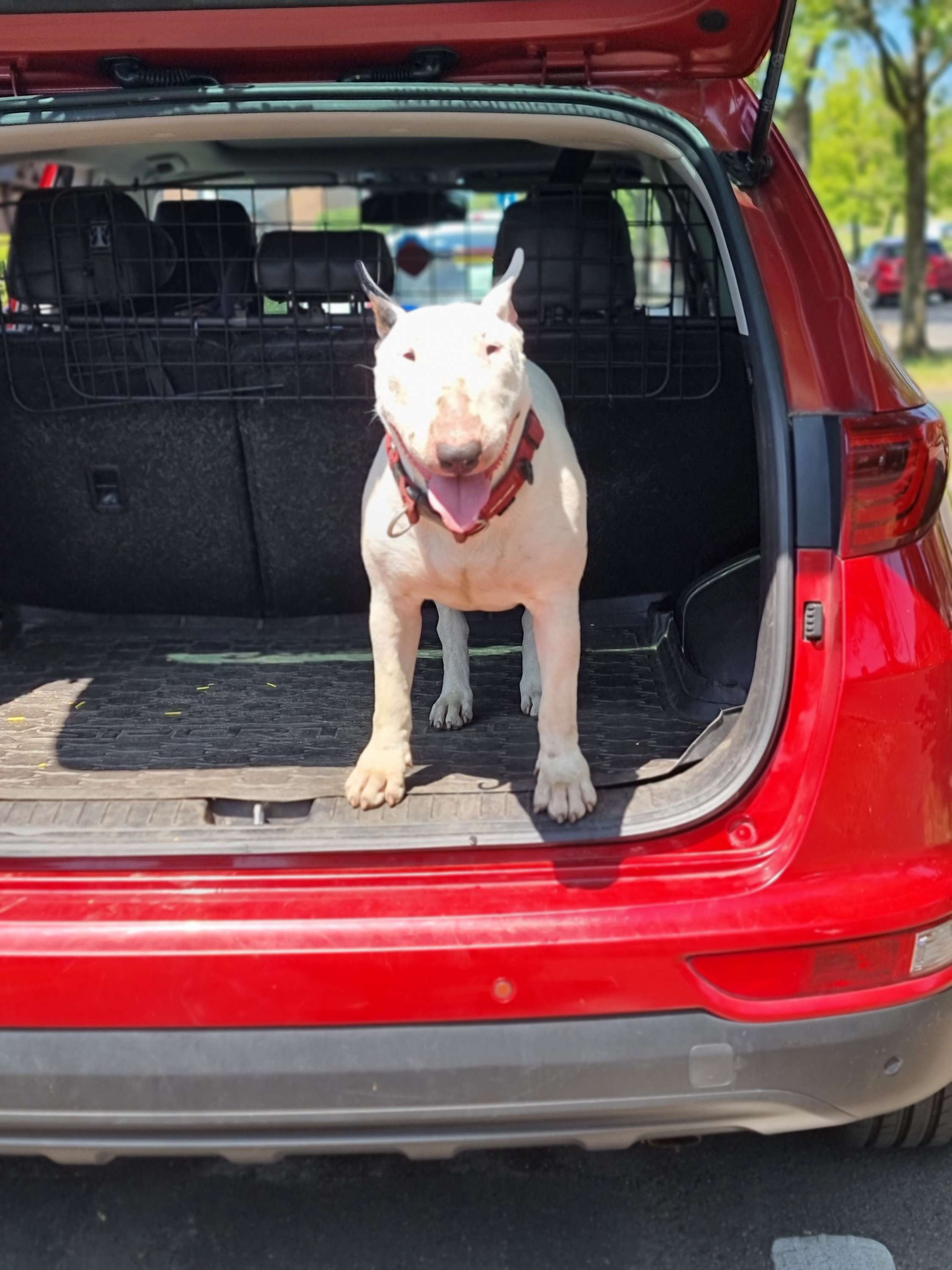
Bringing a new puppy home is one of the most exciting moments in life. It’s a fresh start filled with joy, curiosity, and a little bit of chaos. I remember those early days with my first pup - the sleepless nights, the endless chewing, and the constant wonder about what to do next. If you’re feeling a bit overwhelmed, don’t worry. Puppy training is a journey, and with the right guidance, it becomes a rewarding experience for both you and your furry friend.
Training your puppy well sets the foundation for a happy, well-behaved dog. It’s about building trust, communication, and respect. I want to share some of the best puppy training advice I’ve learned along the way, so you can enjoy every step of this adventure.

Essential Puppy Training Advice to Get You Started
Starting with the right mindset is key. Puppies are like little sponges, eager to learn but also easily distracted. Patience and consistency are your best friends here. When you begin training, keep sessions short and fun - about 5 to 10 minutes at a time. Puppies have short attention spans, so frequent, positive interactions work wonders.
One of the most important things I’ve learned is to use positive reinforcement. This means rewarding good behaviour with treats, praise, or playtime. Avoid punishment or harsh corrections, as they can create fear and confusion. Instead, focus on encouraging the behaviours you want to see more of.
Here are some practical tips to keep in mind:
Set a routine: Puppies thrive on predictability. Feed, walk, and train your puppy at the same times each day.
Use clear commands: Choose simple words like “sit,” “stay,” or “come” and use them consistently.
Be patient: If your puppy doesn’t get it right away, that’s okay. Repeat the training gently and celebrate small wins.
Socialise early: Introduce your puppy to different people, places, and other dogs safely to build confidence.
If you want to dive deeper, I highly recommend checking out this puppy training tips package that offers expert guidance tailored to your puppy’s needs.

What is the First Thing You Should Train a Puppy On?
When you bring your puppy home, the very first thing to focus on is house training. This means teaching your puppy where and when to go to the toilet. It might sound basic, but it’s the foundation for a clean and happy home.
Start by establishing a designated potty spot outside. Take your puppy there frequently - after meals, naps, and playtime. Use a consistent phrase like “go potty” to help them associate the words with the action. When your puppy goes in the right place, reward them immediately with praise or a treat.
Accidents will happen, and that’s normal. Never punish your puppy for accidents. Instead, clean the area thoroughly to remove any scent that might encourage repeat accidents. Patience and consistency are key here.
Alongside house training, teaching your puppy to come when called is another early priority. This command can keep your puppy safe and is the start of good recall habits.

Building a Strong Bond Through Training
Training is not just about commands and rules. It’s about building a strong, trusting relationship with your puppy. When your puppy feels safe and loved, they are more eager to learn and please you.
Spend quality time playing and cuddling with your puppy outside of training sessions. Use training as a way to communicate and connect. For example, teaching “leave it” can prevent your puppy from picking up dangerous items, but it also shows them you are looking out for their safety.
Consistency in your tone and body language helps your puppy understand what you expect. Use a calm, friendly voice and avoid yelling. Puppies respond best to gentle guidance.
Remember, every puppy is unique. Some may learn quickly, while others need more time. Celebrate your puppy’s personality and progress, no matter how small.
Handling Common Puppy Challenges with Confidence
Puppyhood comes with its share of challenges. Chewing, barking, and jumping up are common behaviours that can test your patience. The good news is, these behaviours can be managed with the right approach.
Chewing: Puppies explore the world with their mouths. Provide plenty of safe chew toys and redirect them whenever they start chewing on something inappropriate.
Barking: Understand why your puppy is barking. Are they bored, scared, or seeking attention? Address the root cause and teach a “quiet” command using positive reinforcement.
Jumping up: Teach your puppy to greet people politely by turning away or sitting when they jump. Reward calm behaviour.
If you ever feel stuck, don’t hesitate to seek professional help. Trainers who use positive, force-free methods can make a huge difference, especially with bull breeds or reactive dogs.
Keeping Training Fun and Engaging
Training should be a joyful experience for both you and your puppy. Mix up the activities to keep your puppy interested. Use games like hide and seek, or teach tricks like “roll over” to add variety.
Incorporate training into daily routines. For example, ask your puppy to “sit” before feeding or “stay” before going out the door. This reinforces good behaviour naturally.
Celebrate progress with lots of praise and affection. Your puppy will love the attention and feel motivated to keep learning.
Training is a journey filled with ups and downs, but with warmth, patience, and consistency, you’ll build a lifelong bond with your puppy that’s full of trust and happiness.
I hope these tips inspire you to enjoy every moment of training your new puppy. Remember, you’re not alone on this journey. With the right support and a positive approach, you and your puppy will thrive together. For more tailored advice, check out the puppy training tips offered by Kamila’s Dog Training - they’re experts in helping puppies and their owners across the UK.
Happy training!


Comments